

Mississippi’s Experts in Obsessive-Compulsive Disorder (OCD) Treatment
We Are Here For Adults, Teens, Kids, and Families Who Are Ready To Overcome OCD
In 2026, conservative estimates are that 35,000 (1.2% of the population) people in Mississippi will struggle with OCD. Half of those people will experience significant impairment as a result of OCD. We are here to help kids, teens, adults, and families recover from OCD and get their lives back.
What is OCD?
People struggling with OCD often struggle with a specific “what if” question that causes great anxiety. Some examples include:
Contamination OCD: “What if I get sick due to not washing my hands properly?”
Existential OCD: “What if nothing is real and this is all just a simulation?”
False Memory OCD: “What if I did something terrible and don’t remember it?”
Harm OCD: “What if I grab a sharp object and stab someone with it?”
Psychosis OCD: “What if I go crazy and I’m never the same again?”
Just Right OCD: “If I don’t do _____ just right, then everything will feel off.”
Pedophilia OCD: “What if I’m attracted to children even though I don’t want to be?”
Relationship OCD: “What if this isn’t the right person for me?”
Religious or Scrupulosity OCD: “What if I’m not actually a Christian?”
Sensorimotor or Somatic OCD: “What if I choke?” or “What if I feel this sensation forever?”
Sexual Orientation OCD: “What if I’m secretly gay?”
Magical Thinking: “I have to tap my phone three times or something awful will happen.”
Perinatal and Postpartum OCD: “What if I harm my baby?”
Emetophobia: “What if I throw up and can’t handle it?”
These are just a few examples of how OCD can manifest. As you can see, many of these are distressing topics to grapple with. The person with OCD has a hard time dismissing them and moving on; they get caught in a mental battle that causes a lot of anxiety and leads to compulsive behaviors.
Understanding the OCD Cycle
Compulsions often take the form of seeking excessive reassurance, confessing, avoiding situations, odd rituals, or constantly checking to be sure your fear isn’t true—but never being able to accept a “good enough” answer.
Compulsions provide short-term relief, but they cause you to be more stuck in the OCD cycle in the long run. The key to recovery is stopping the compulsions and realizing that your fears are likely not true. You learn that perfect proof doesn’t exist, and your world is shrinking the more you try to be perfectly certain that your fears aren’t true. If fear is not your primary struggle, then you’ll learn you don’t have to keep up your rituals to manage anxiety. It’s actually the performance of the rituals that is keeping your anxiety going.
How We Treat OCD
The best evidence-based treatment for OCD is called Exposure and Response Prevention (ERP). When you do ERP, you expose yourself to your fear by not doing your compulsions and not avoiding triggers. You learn that you can tolerate facing your fear better than you thought, your feared outcome doesn’t come true, and your anxiety actually decreases when you don’t do your compulsions.
There is another evidence-based therapy called Inference-Based Cognitive Behavioral Therapy (I-CBT), which focuses on the faulty logic behind OCD and teaches you how to evaluate your thoughts to avoid getting into the cycle of trying to come to perfect certainty.
We combine these treatments to help clients recover as quickly and as fully as possible. If you have OCD and you aren’t being treated with one of these modalities, you likely will not see the improvement you want. On the other hand, if you work hard at these treatments, there is a very high likelihood that the distress OCD causes you will decrease significantly.
Specialized Training for Lasting Results
We’ve done various training via The International OCD Foundation (IOCDF), NOCD, Baylor College of Medicine, and Dr. Michael J. Greenberg’s RF-ERP (Rumination-Focused ERP). We are trained to treat both pediatric and adult OCD. These advanced frameworks equip us to be your guide to taking your life back from OCD.
Whether you are seeking care in-person or via telehealth from anywhere in Mississippi, we are ready to help. We love treating OCD because people get better and grow in courage and confidence when they go through treatment. You can do the same.



The Problem
Isn't You.
It's the Anxiety.
We provide the relatable, evidence-based OCD and Anxiety treatment to help you master your anxious mind.
You can move from fear and uncertainty to confidence and strength.
Be more present for the people and activities you love.
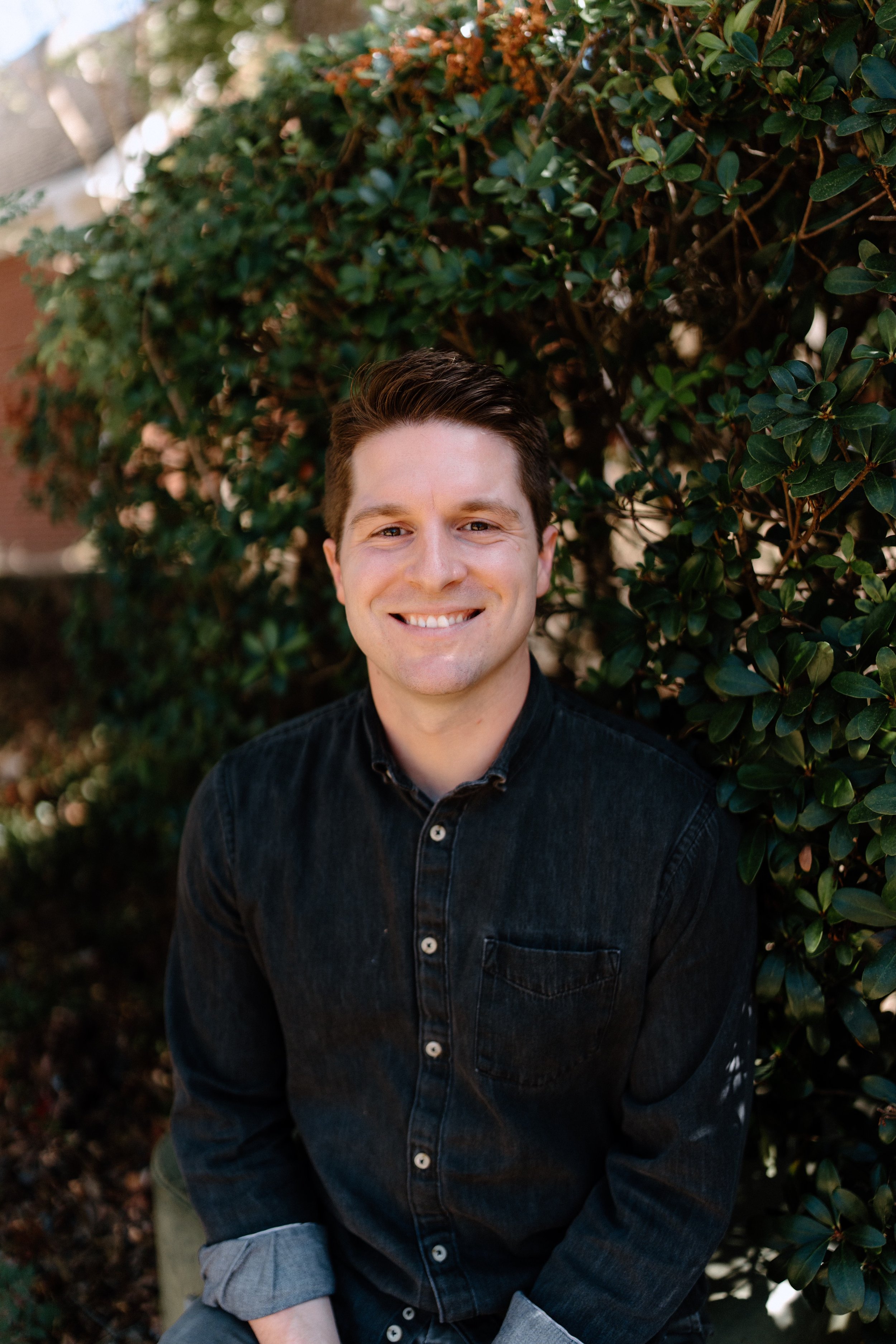
Tyler Slay, LPC founded this clinic to provide Mississippi families with more access to specialized care for Anxiety and OCD. We combine high quality evidence-based treatment with the local values.

Your Simple 3-Step Plan to Connect with a Specialist:
Tell Us About Your Needs.
Fill out our simple and confidential form below.
1
We'll Find Your Perfect Match.
We'll call you and match you with one of our clinicians.
2
Start Your Journey.
Begin therapy and put anxiety in its place.
3
Therapy For Adults, Teens, and Kids
Stress & Burnout
Social Anxiety
Perfectionism
Postpartum Anxiety
Phobias (Social phobia, Emetophobia, Fear of Flying, etc.)
Trauma and PTSD
Body-Focused Repetitive Behaviors (BFRBs) - Skin Picking and Hair Pulling Disorders
Sleep Difficulties and Insomnia
We’re Here For You
When you or a loved one is struggling, you hope to find help that is Specialized, Evidence-Based, and Local.
Specialized: We focus on anxiety and OCD-related struggles. By narrowing our scope, we focus our training, reading, and clinical skills on helping you get better faster and achieving the most lasting recovery possible.
Evidence-Based: Some mental health struggles respond best to specific treatments rather than just talk therapy. We believe Mississippians deserve the same access to these gold-standard treatments as everyone else in the country.
Local Values: We raise our kids here, are members of local churches, and are invested in our community. Effective therapy requires trust and relatability, not just expertise. You’ll find both here.
Let’s Get Started. Recovery is Possible.
All information is confidential and will only be used to connect you with a provider.

**Important Notice:  Email addresses, forms, or phone numbers listed on this website are Not Monitored for emergencies, crises, or urgent situations.
If you are experiencing thoughts of suicide, in a crisis, or require immediate mental health assistance, it is imperative that you seek help immediately.For immediate support in the United States, please contact the National Suicide Prevention Lifeline at 1-800-273-TALK (1-800-273-8255). Trained professionals are available 24/7 to provide confidential and compassionate assistance.In a life-threatening emergency, please call your local emergency services or go to the nearest emergency room without delay.


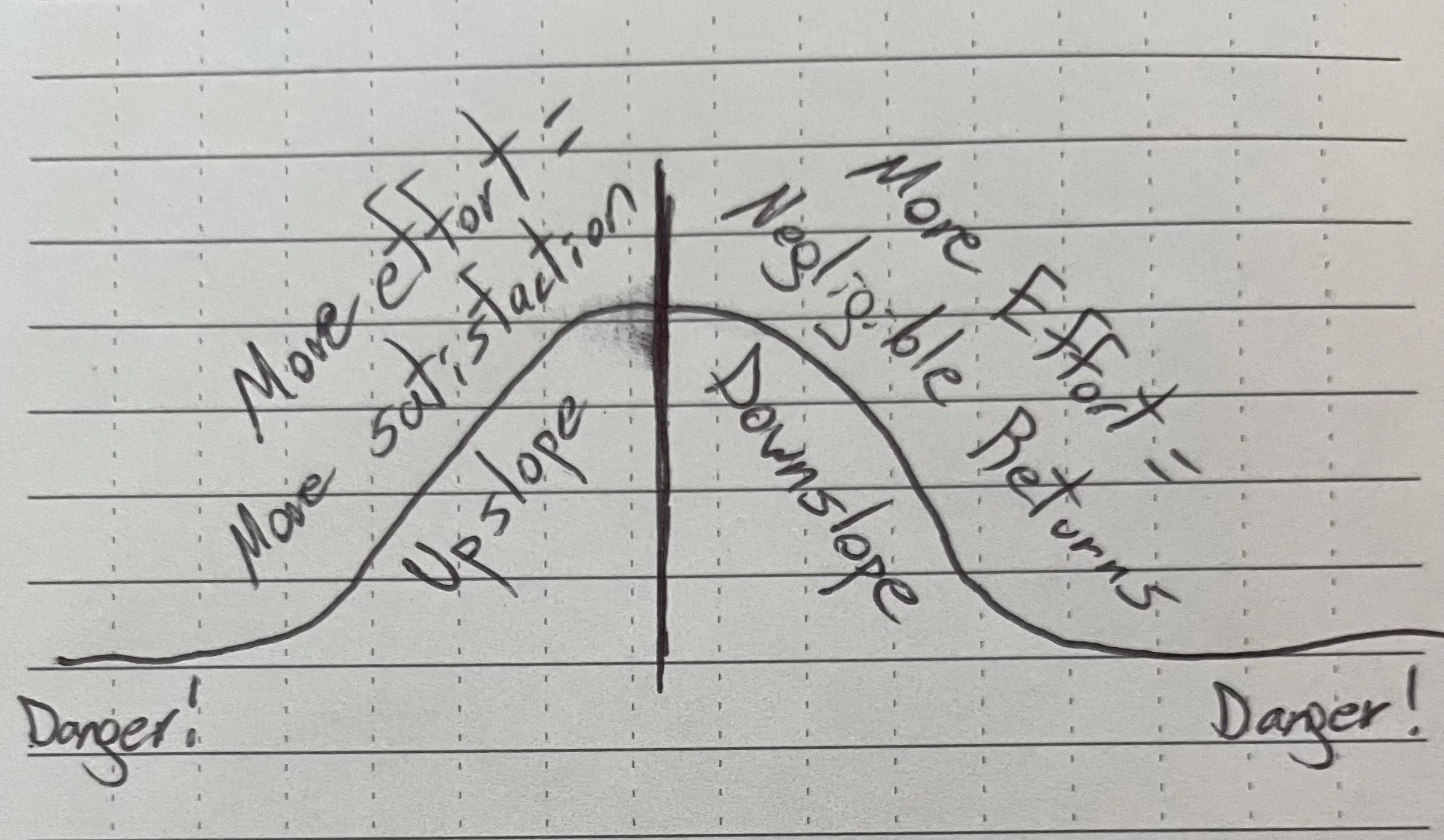










In this case (anxiety disorders), breathing exercises are kind of like bringing a knife to a gunfight. It’s still good to have breathing as a tool, but it’s not going to help you win.